
Buying a home is one job. Living in it is another. For Australian buyers, the gap between moving in and settling in is where most cost blowouts and avoidable stress happen.
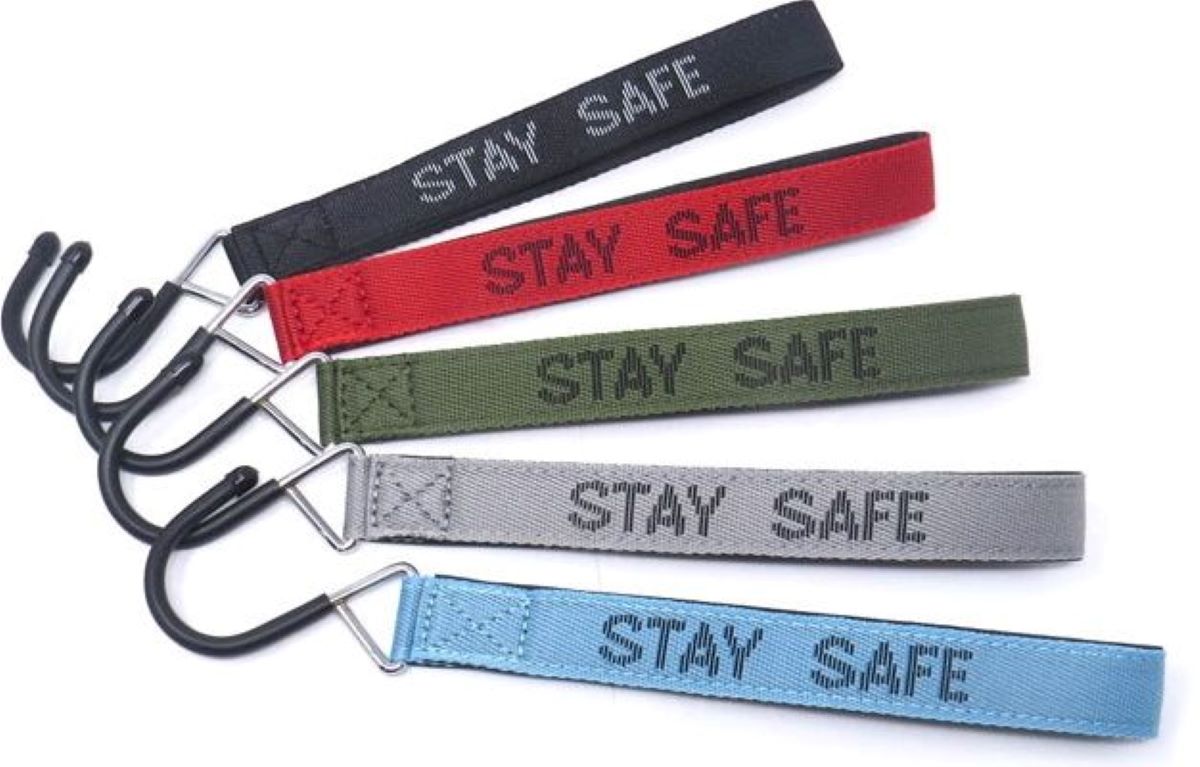
This guide is written for property buyers who want a practical plan, not real estate jargon. It covers what to do in the first 48 hours, the first month, and what they actually need on hand, including a self hygienic strap with hook for day one.
What is the real difference between moving in and settling in?
Moving in is the logistics of getting people and boxes through the door. Settling in is making the home safe, functional, clean, and easy to run.
New owners often budget for removalists but forget the basics that make the first week work. A small “day one kit” and a simple checklist usually saves more time than any furniture upgrade.
What should new homeowners do before they pick up the keys?
They should confirm utilities, access, and condition in writing before settlement day arrives. It is much easier to fix problems before the property is fully handed over.
In Australia, that means confirming electricity connection, internet availability (NBN type), and arranging insurance from settlement. They should also plan a quick pre-settlement inspection with a focus on inclusions, appliances, and any agreed repairs.
What should be checked in the first 30 minutes after arriving?
They should do a fast walkthrough before unloading. The aim is to spot issues while the property is empty and easy to inspect.
They should check that external doors and windows lock, taps run, toilets flush, hot water works, lights switch on, and the oven ignites. They should also locate the main water shut-off, switchboard, and gas meter if applicable.
What does a “day one essentials kit” actually include?
It includes the items that prevent the first night from turning into a hardware-store sprint. New owners should keep it separate from the main boxes, ideally in the car.
Core items include: toilet paper, hand soap, paper towels, bin bags, basic tools, phone chargers, a torch, scissors, cleaning spray, disinfectant wipes, a first-aid kit, and a few cups and plates.
It is also where the self hygienic strap with hook belongs, because bathrooms and shared touchpoints are usually the first cleaning priority.
Why is hygiene a bigger deal than most buyers expect?
Because pre-purchase “clean” and move-in “hygienic” are not the same thing. Even tidy homes often have residue in bathrooms, kitchen drawers, air vents, and around door handles.
For many buyers, the first settled feeling comes after a proper reset clean. Keeping a self hygienic strap with hook in the day one kit can help manage bathroom hygiene tasks with less mess and fewer rushed purchases.
What cleaning should happen before furniture is unpacked?
They should clean in the order that becomes impossible later: ceilings and vents, then cupboards, then floors. The goal is to remove dust and grime before it gets trapped under rugs and beds.
They should vacuum corners, wipe skirting boards, clean inside kitchen cupboards, and sanitise bathroom touchpoints. If they are using a self hygienic strap with hook, it should be stored within easy reach, not buried in a moving box.
What safety checks matter most in an Australian home?
They should start with smoke alarms, electrical safety, and basic security. These checks are quick and reduce genuine risk.
They should confirm smoke alarms are present and functioning, check the switchboard labelling, and test outdoor lights. If the property has a pool, fencing compliance and gate latches should be checked immediately. For apartments, they should confirm how to contact strata and building management.

What immediate changes reduce break-ins and insurance headaches?
They should re-key or change external locks as soon as possible. Previous owners, tenants, or tradies may still have copies, and insurers can be strict after a theft.
They should also check window locks, garage remotes, and side-gate latches. Motion sensor lights and a basic doorbell camera can be useful, but the biggest impact is usually just lock control and good exterior lighting.
What admin tasks should be done in the first week?
They should update address details and set up a simple home file. Many Australian homeowners lose time later because they cannot find warranties, settlement documents, or appliance manuals.
Key updates include: MyGov-linked services, Medicare, banks, insurers, ATO, electoral roll, and car registration address. They should also keep a folder for strata notices (if relevant), rates, water bills, and any builder or renovation paperwork.
What should be prioritised in the first month to truly settle in?
They should focus on function before style. Most regret spending comes from buying décor before understanding how they live in the space.
Practical first-month priorities include: fixing water pressure issues, addressing mould-prone areas, upgrading harsh lighting, improving storage, and sealing drafts. A stable routine is also part of settling, so they should set up laundry flow, rubbish day reminders, and a consistent place for keys and documents.
What are the most common “new homeowner” mistakes buyers make?
They often assume problems will be obvious on day one, but many issues show up only after a few showers, heavy rain, or a warm day. That is why early monitoring matters.
Common misses include: slow leaks under sinks, poor drainage, hidden pests, non-compliant DIY work, and forgotten strata bylaws. They should take photos on arrival, log issues with dates, and keep receipts for any urgent repairs.
How should buyers plan purchases without wasting money?
They should buy in stages, based on friction points. A “need” is anything that stops them cooking, sleeping, cleaning, or staying secure.
Week one purchases should be modest and targeted. If a self hygienic strap with hook solves a hygiene or bathroom setup issue immediately, it belongs in the earliest batch. Larger spends, like furniture upgrades or landscaping, are best delayed until they understand traffic flow, sunlight, and storage realities.
What should renters-turned-owners expect to feel differently?
They should expect responsibility to increase, but also control. Ownership means they can fix problems properly rather than patching them until the lease ends.
They should also expect different costs: rates, insurance, maintenance, and sometimes strata levies. Many new owners feel unsettled until they build a maintenance rhythm, so a simple quarterly checklist helps more than over-planning.
See Also : New Home, New Chapter: Housewarming Touches Like Custom Race Number Bibs & Marathon Race Bib Clips
How can buyers make the home feel “theirs” quickly?
They should start with a few high-impact, low-cost anchors: lighting warmth, clean floors, a functioning entry zone, and one comfortable room. A home feels settled when daily routines run smoothly.
They should set up the bedroom first, then the bathroom, then the kitchen. If the bathroom setup includes a self hygienic strap with hook, it should be placed in a consistent location so hygiene tasks stay easy during the unpacking phase.
What is a simple checklist that covers both moving in and settling in?
They should treat it like a timeline. Moving in is day one logistics, settling in is week-by-week systems.
Day 1
- Walkthrough check (locks, water, power, hot water)
- Quick hygiene reset of bathroom and kitchen
- Assemble bed, towels, basic kitchen tools
- Locate shut-offs and switchboard
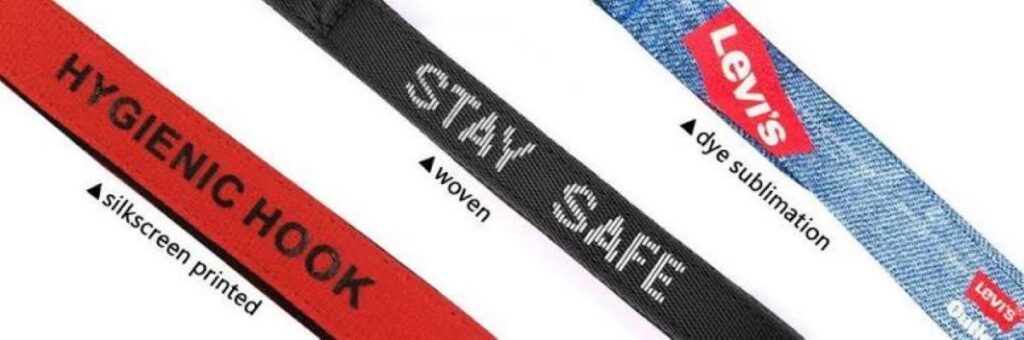
- Place the self hygienic strap with hook with cleaning essentials
Week 1
- Change locks
- Confirm utilities and NBN
- Update address details
- Start a home document folder
Month 1
- Fix minor defects and leaks
- Review storage and lighting
- Plan staged purchases based on real needs
What should buyers remember if they want fewer regrets?
They should separate urgency from excitement. The fastest way to feel at home is to make it safe, clean, and functional, then upgrade slowly.
For Australian property buyers, the most practical approach is to plan for both phases. Moving in is the first step. Settling in is where the home becomes easy to live in, and where small essentials like a self hygienic strap with hook can quietly prevent stress on the days that matter most.