
What Are The Different Types Of Air Conditioning Systems Available In Sydney?
Sydney homeowners can choose from three main air conditioning options: split systems, multi-split systems, and ducted air conditioning systems. Each type delivers climate control through distinct configurations designed for specific property needs.
1. Split System Air Conditioners
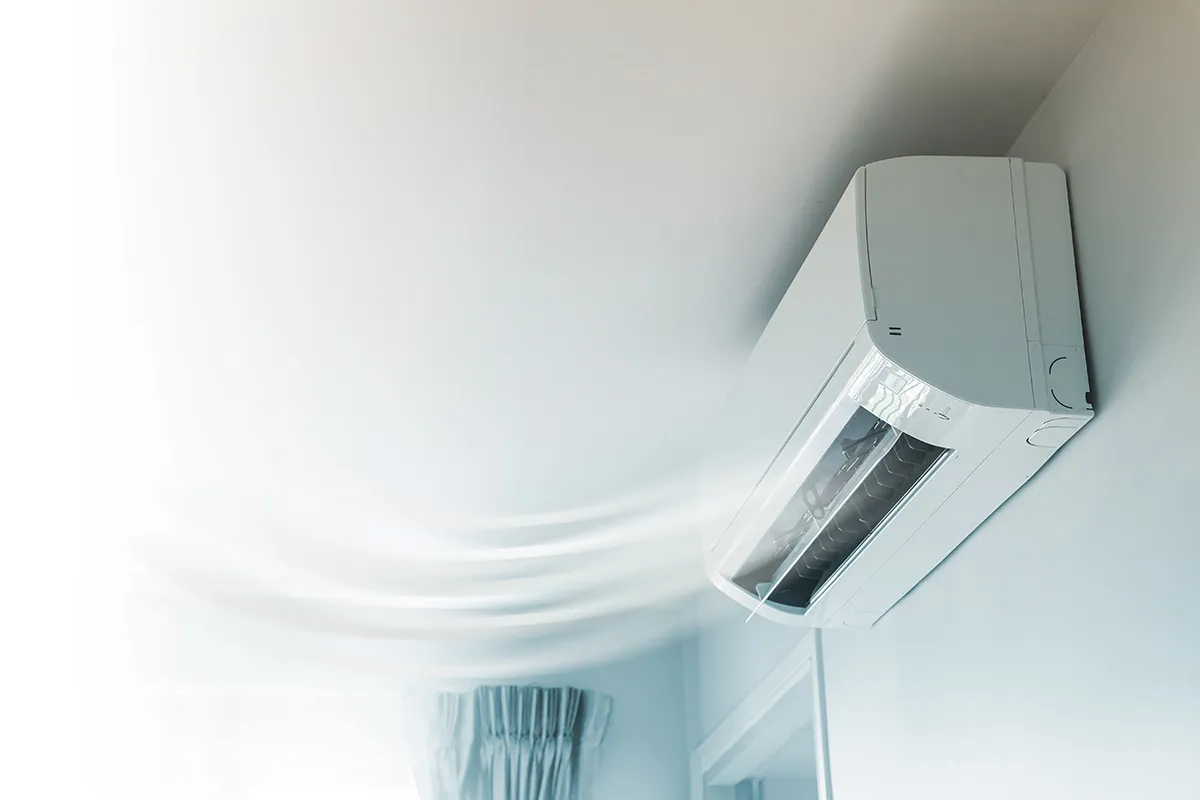
Split system air conditioners pair one indoor wall-mounted unit with a single outdoor compressor. These systems, commonly chosen when comparing air conditioners sydney options, connect via refrigerant pipes and electrical wiring, making them perfect for cooling individual rooms or compact spaces like apartments and home offices.
2. Multi-Split Air Conditioners
Multi-split air conditioners expand on this concept by linking several indoor units to one outdoor compressor. This setup allows homeowners to condition multiple rooms without installing separate outdoor units for each space, offering flexibility in unit placement and style selection.
3. Ducted Air Conditioning Systems
Ducted air conditioning systems Sydney residents install represent the most comprehensive solution. These systems use concealed ductwork throughout ceiling cavities or underfloor spaces to distribute conditioned air via discrete vents. A central indoor unit connects to a single outdoor compressor, delivering whole-home climate control.
Property size directly influences which system works best:
- Single rooms or small apartments: Split systems provide targeted, cost-effective cooling
- Multi-room homes without existing ductwork: Multi-split systems balance coverage with installation simplicity
- Large homes requiring whole-house conditioning: Ducted systems deliver seamless temperature control across all zones
The right choice depends on your property layout, budget constraints, and aesthetic preferences.
How Does A Split System Air Conditioner Work And When Is It Best Used?
A split system air conditioner has two main parts: an indoor unit that is mounted on the wall and an outdoor compressor unit. The indoor unit blows cool air directly into the room, while the outdoor unit releases heat outside. These two units are connected by pipes that carry refrigerant and wires for electricity, creating a self-contained cooling system for individual rooms.
When to Use a Split System Air Conditioner
Single-room air conditioning Sydney installations favour split systems because they target specific areas without affecting the entire property. A bedroom, home office, or living room can maintain its own climate independently, making this configuration ideal for:
- Apartments or units with limited space
- Homes where only certain rooms require cooling
- Rental properties needing flexible climate control
- Renovations where ductwork installation isn’t feasible
Why Choose a Split System Air Conditioner?
The split system features that make them particularly attractive include:
- Straightforward installation that typically completes within a day
- Minimal structural modifications required
- Whisper-quiet operation during sleep hours
- Cost-effectiveness through lower electricity consumption in smaller areas
These advantages make split systems a popular choice for various living situations.
Maintenance Tips for Split System Air Conditioners
Wall-mounted AC units require regular maintenance to ensure optimal performance:
- Clean the filters every few weeks to prevent dust buildup
- Schedule professional servicing once a year for thorough inspection and cleaning
By following these maintenance practices, you can maximize energy efficiency and prolong the lifespan of your split system air conditioner.
Choosing the Right Size Split System Air Conditioner
When selecting a split system air conditioner, it’s crucial to choose the right size for your room dimensions. Here’s why:
- An undersized unit will struggle to cool the space effectively and consume more power in the process.
- An oversized model may cool the room quickly but cycle on and off frequently, leading to inefficient operation.
To avoid these issues, consult with an HVAC professional who can recommend the appropriate size based on your specific needs.
What Are The Benefits And Drawbacks Of Multi-Split Air Conditioning Systems?
Multi-split systems connect two to five indoor units to a single outdoor compressor, making them ideal for conditioning several rooms without installing multiple outdoor units. This configuration offers significant multi-split AC advantages for Sydney homes where external space is limited or aesthetics matter.
The flexibility in indoor unit styles stands out as a major benefit. Homeowners can choose from wall-mounted units for bedrooms, ceiling cassettes for open-plan areas, or bulkhead models for hallways. Each room can have a different style based on its specific requirements and layout constraints.
Space-saving benefits become apparent when comparing outdoor footprints. Instead of three separate outdoor units cluttering your property’s exterior, a multi-split system requires just one unit. This preserves garden space and maintains a cleaner visual appearance.
Independent room control allows different family members to set their preferred temperatures in separate zones. One person can cool their bedroom to 20°C while another keeps the living room at 24°C, all from the same system.
The main drawback centres on cost. Multi-split installations typically cost 30-40% more than equivalent individual split systems due to complex piping networks and specialized installation requirements. If one indoor unit develops a fault, it can sometimes affect the entire system’s performance, though modern units minimize this risk through advanced diagnostics.
Why Might A Homeowner Choose A Ducted Air Conditioning System In Sydney?
Ducted air conditioning benefits homeowners seeking whole-home cooling Sydney solutions that maintain consistent temperatures across every room. The system uses a network of ducts hidden in the ceiling or underfloor space to distribute conditioned air throughout the entire property, eliminating the need for multiple visible indoor units.
The concealed design delivers streamlined aesthetics that appeal to homeowners valuing clean interior spaces. Only discreet vents remain visible on ceilings or walls, while the main indoor unit stays completely hidden from view. A single outdoor unit powers all zones, reducing the external footprint compared to installing multiple outdoor units for individual rooms.
Benefits of Ducted Air Conditioning
- Zoning capabilities: Homeowners can divide their property into separate zones, each controlled independently through programmable thermostats or smart controls. This feature allows:
- Cooling only occupied rooms during different times of day
- Shutting off air to unused bedrooms or living areas
- Customizing temperature preferences for different family members
- Reducing energy wastage in unoccupied spaces
- Energy efficiency and cost savings: The zoning functionality translates directly into energy efficiency and cost savings over time. Rather than conditioning the entire home continuously, homeowners activate only the zones they need, lowering electricity consumption while maintaining comfort where it matters most.
Ducted air conditioning is an ideal choice for homeowners in Sydney who want a discreet and efficient cooling solution for their entire home.
How Do Installation Complexity And Costs Compare Among These Systems?
Split Systems
Split systems offer the simplest installation process, typically completed within a few hours by a qualified technician. The work involves:
- Mounting the indoor unit on a wall
- Positioning the outdoor compressor
- Connecting them through a small conduit hole
AC installation Sydney costs for split systems generally range from $600 to $1,200 for equipment and labour, making them the most budget-friendly option.
Multi-Split Systems
Multi-split installation considerations include coordinating multiple indoor units with one outdoor compressor, requiring more extensive piping and electrical work. Installation takes longer—often a full day or more—and costs between $3,000 and $8,000 depending on the number of indoor units and their placement. The complexity increases with each additional room, though the single outdoor unit simplifies external requirements.
Ducted Systems
Split vs ducted installation complexity shows the starkest contrast. Ducted systems demand substantial ceiling or underfloor space for ductwork, often requiring structural modifications during installation. The process can take several days and involves:
- Installing the main indoor unit in roof or subfloor spaces
- Running ducts to each room with supply and return air vents
- Positioning the outdoor compressor
- Setting up zone control panels
Ducted system costs typically start at $10,000 and can exceed $20,000 for larger homes, reflecting both equipment sophistication and labour intensity. Homes without existing duct infrastructure face higher expenses due to additional construction work required. Click here to learn about air conditioning repairs Hornsby: early warning signs to watch.
What Should Be Considered Regarding Energy Efficiency And Running Costs?
Energy-efficient air conditioners Sydney homeowners choose directly impact monthly electricity bills, with system type playing a crucial role in consumption patterns. Split systems typically consume less power when cooling single rooms, making them economical for targeted use. Multi-split systems increase efficiency compared to running multiple individual splits, though they draw more energy than a single unit. Ducted systems can be the most energy-intensive when cooling entire homes, yet modern models with inverter technology significantly reduce power draw.
Home size and usage patterns determine actual running costs comparison AC types reveal. A split system cooling one bedroom uses minimal electricity, while the same unit struggling to cool an open-plan area wastes energy. Multi-split systems allow selective room cooling, avoiding the expense of conditioning unused spaces. Ducted systems excel when paired with smart zoning controls.
Zoning capabilities transform ducted system efficiency by dividing homes into separate temperature zones. Instead of cooling empty bedrooms during the day, homeowners activate only living areas, cutting consumption by 30-40%. Each zone operates independently through motorized dampers in the ductwork, directing airflow only where needed. This targeted approach makes ducted systems competitive with split alternatives in larger properties, particularly when families concentrate in specific areas throughout the day.
Star ratings on units indicate comparative efficiency, with higher-rated models costing more upfront but delivering long-term savings through reduced electricity consumption.
How Aesthetic Impact Influences the Choice Between Split, Multi-Split, and Ducted Systems
When it comes to choosing an air conditioning system in Sydney, aesthetics play a significant role in the decision-making process for homeowners. The appearance of the units and how they fit into the overall design of the living space can greatly influence which system is ultimately selected.
Wall-Mounted Split System Units
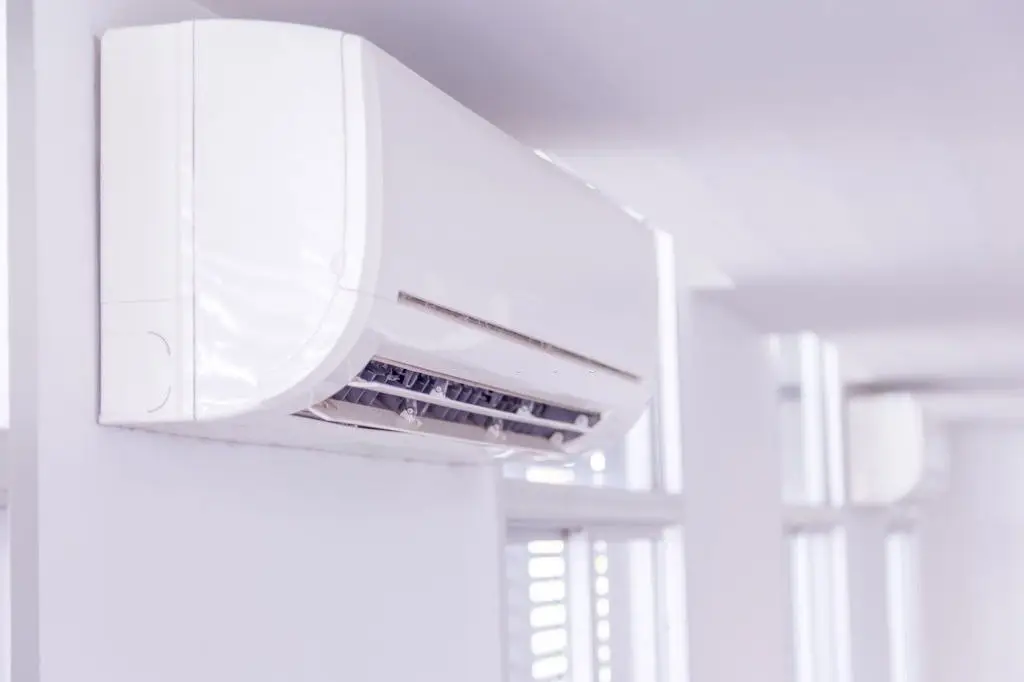
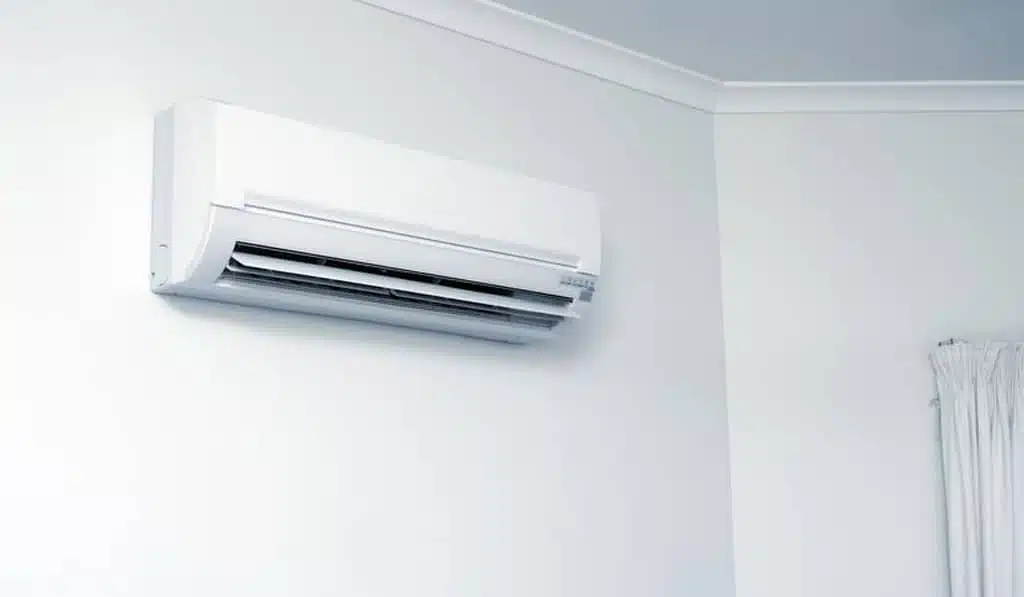
Wall-mounted split system units are designed to be visible on interior walls. While this design allows for easy installation and efficient cooling, it also means that these units will be prominently displayed in living spaces. For some homeowners, this can be seen as an intrusion on their décor or an eyesore that clashes with their interior design style.
The indoor unit of a wall-mounted split system typically measures around 80-100cm wide and protrudes from the wall. This makes it a permanent fixture in the room’s design, which may not be ideal for those who prefer a more seamless and unobtrusive look.
Ducted Systems
In contrast to wall-mounted units, ducted systems offer a more discreet and visually appealing option. With ducted systems, the main indoor unit is hidden entirely within ceiling cavities or under floors. This means that only discreet vents are visible on ceilings or walls, blending seamlessly with most interior designs.
One of the key advantages of ducted systems is their ability to maintain the aesthetic integrity of a space. The vents can be painted to match surrounding surfaces, making them virtually invisible and allowing homeowners to showcase their interior design choices without any distractions.
Multi-Split Systems
Multi-split systems provide flexibility in terms of indoor unit placement. Depending on the specific needs and preferences of the homeowner, there are various options available:
- Slim wall-mounted units can be installed in less prominent locations
- Ceiling cassette units sit flush with the ceiling, creating a sleek and modern look
- Bulkhead units can be concealed within architectural features such as bulkheads or beams
This versatility in indoor unit placement allows homeowners to find solutions that work best for their space while still maintaining an aesthetically pleasing environment.
Outdoor Unit Footprint
Another important consideration when it comes to aesthetics is the outdoor unit footprint. This is particularly crucial for properties with limited external space such as townhouses or apartments.
Multi-split systems offer a solution by consolidating multiple indoor units to a single outdoor compressor. This reduces visual clutter and space requirements compared to installing several individual split systems. By having only one outdoor unit instead of multiple units, homeowners can minimize the impact on their property’s exterior appearance and avoid overwhelming available outdoor space.
Additionally, this single-unit approach may also help homeowners comply with body corporate regulations that restrict the number of outdoor air conditioning units allowed in shared living environments.
Overall, when choosing between split, multi-split, and ducted systems for air conditioning in Sydney, it’s essential for homeowners to consider not just functionality but also aesthetics. The visual impact of these systems can significantly affect how they fit into a home’s design scheme and ultimately contribute to its overall appeal.
What Maintenance Practices Are Recommended For Each Type Of System?
Split Systems
Split systems require the most straightforward upkeep split system ACs routine. Clean or replace filters every 4-6 weeks during heavy use to maintain airflow and efficiency. The indoor unit’s exterior should be wiped down regularly, while the outdoor unit needs debris removal from around the compressor. Annual professional servicing checks refrigerant levels, inspects electrical connections, and ensures quiet operation. Neglecting these tasks reduces cooling performance and increases energy consumption.
Multi-Split Systems
Multi-split systems follow similar AC maintenance Sydney protocols for each indoor unit. Every wall-mounted, ceiling cassette, or bulkhead unit needs individual filter cleaning on the same 4-6 week schedule. The single outdoor unit requires quarterly inspection to remove leaves, dirt, and obstructions that restrict airflow. Professional technicians should service all connected units simultaneously to verify refrigerant distribution and electrical integrity across the network.
Ducted Systems
Ducted systems demand the most comprehensive maintaining ducted air conditioners approach. Filter replacement occurs every 3-6 months depending on usage and household dust levels. Duct cleaning becomes critical every 3-5 years to prevent dust buildup that compromises air quality and system efficiency. Technicians inspect dampers in zoned systems to ensure proper operation. The concealed indoor unit requires annual checks for condensate drainage and motor function, while the outdoor unit needs the same debris clearance as other systems.
Which Air Conditioning System Is Best Suited For Different Needs In Sydney?
Choosing the right air conditioning system in Sydney depends primarily on the size of your property and your specific cooling requirements. Here’s a breakdown of which systems are best suited for different needs:
1. Split Systems
Split systems are ideal for single-room applications such as bedrooms or home offices where targeted cooling is needed.
2. Multi-Split Configurations
Multi-split configurations are suitable for homes requiring climate control across 2-4 rooms without ductwork installation. This system offers independent temperature management for each space.
3. Ducted Systems
Ducted systems are the best AC system for homes in Sydney with five or more rooms. They provide whole-house coverage through concealed infrastructure, making them a great choice for larger properties.
When deciding between these options, consider the following factors:
- Budget constraints: Split systems have the lowest entry cost
- Installation feasibility: Check if you have existing ceiling space for ducted networks
- Aesthetic priorities: Decide between concealed vents and visible wall units based on your preferences
- Energy management: Look into zoning capabilities offered by ducted and multi-split options